Optimizing Hot Melt Glue Performance on Recycled Corrugated Board

Sustainability initiatives are transforming the packaging industry, with recycled corrugated board becoming a preferred material for shipping boxes, retail displays, and protective packaging. While recycled fiber supports environmental goals, it also introduces new challenges for packaging manufacturers, particularly when it comes to adhesive bonding. Hot melt adhesives remain the industry standard for carton sealing and corrugated assembly because of their speed and efficiency but achieving optimal performance on recycled substrates requires careful consideration of materials, application methods, and production conditions.
This article explores the factors that influence hot melt glue performance on recycled corrugated board and outlines practical strategies for improving bond strength and packaging reliability.
Understanding the Challenges of Recycled Corrugated Board
Recycled corrugated board behaves differently from virgin fiber board. During the recycling process, paper fibers are broken down and reused multiple times, which can change the structure and surface characteristics of the material. These changes often result in a denser, less porous surface that can make adhesive bonding more difficult.
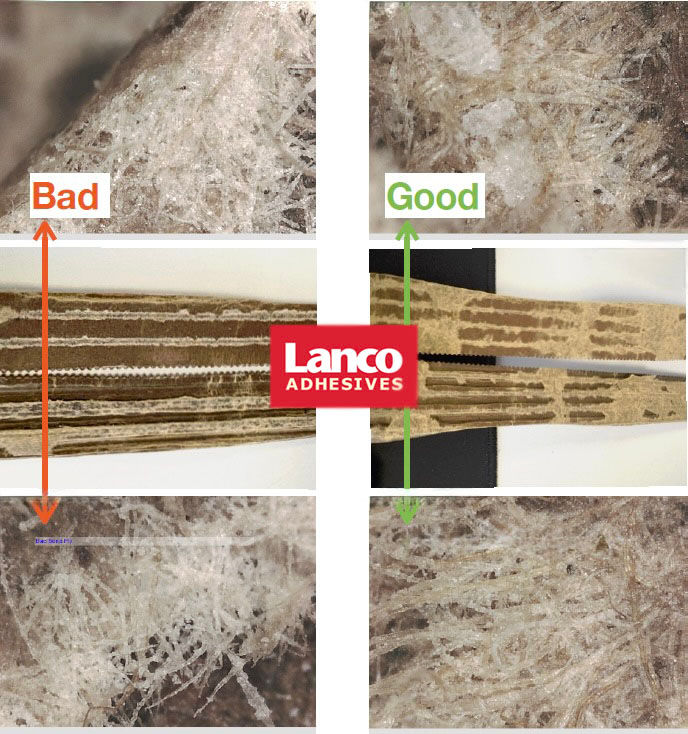
Additionally, recycled board may contain contaminants such as inks, coatings, or residual adhesives. These elements can reduce surface energy and interfere with the adhesive’s ability to properly wet the substrate, an essential step in forming a strong bond.
For packaging lines operating at high speeds, inconsistent bonding can lead to issues such as “pop-opens,” carton failures, and costly product damage during transit. According to packaging experts, adhesive compatibility with the substrate is one of the most common reasons hot melt adhesives fail to bond properly with corrugated materials.
Why Hot Melt Adhesives Are Still the Preferred Solution
Despite these challenges, hot melt adhesives continue to dominate corrugated packaging applications. These thermoplastic adhesives are applied in a molten state and quickly solidify as they cool, creating strong bonds within seconds.
Hot melt adhesives offer several advantages for packaging manufacturers:
● Fast setting times that support high-speed production lines
● Strong bonds suitable for heavy or stacked packaging
● Clean application with minimal waste
● Compatibility with automated packaging equipment
Because of these benefits, optimizing the formulation and application process allows manufacturers to maintain efficiency even when working with recycled materials.
Key Factors That Affect Adhesion Performance
Improving bonding performance on recycled corrugated board requires understanding the main variables that influence adhesive behavior.

Adhesive Formulation
Not all hot melt adhesives perform equally on recycled substrates. Advanced formulations such as metallocene or polyolefin-based adhesives often provide better wetting, improved thermal stability, and stronger bonds on difficult surfaces.
For example, products like Technomelt Cool 250A are engineered to deliver strong bonds on challenging corrugated substrates while maintaining performance at lower application temperatures.
Some modern adhesives are specifically engineered to bond effectively with recycled cardboard while maintaining durability across varying temperatures and packaging conditions.
Application Temperature
Temperature control is essential for hot melt performance. If the adhesive is applied at too low a temperature, it may not properly wet the corrugated surface before solidifying. Conversely, excessive heat can degrade the adhesive and reduce bond strength.
Maintaining the correct application temperature ensures the adhesive flows evenly and penetrates the substrate before cooling.
Substrate Surface Condition
Dust, moisture, and coatings on recycled corrugated board can negatively affect adhesion. Keeping materials clean and storing them in controlled environments can significantly improve bonding reliability.
Packaging operators should also monitor board quality, as recycled fibers may vary between suppliers or production batches.
Compression Time and Pressure
Proper compression during bonding allows the adhesive to spread and penetrate the substrate fibers. Insufficient pressure or inadequate compression time can prevent the adhesive from forming a strong bond.
High-speed packaging equipment should be calibrated to ensure adequate compression during the adhesive’s open time.
Adhesive Application Pattern
Optimizing the glue pattern can improve both performance and sustainability. Applying adhesive in controlled beads or targeted patterns helps ensure full coverage while minimizing excess material.
Careful application also helps maintain recyclability and prevents issues such as adhesive contamination in recycling streams.
Best Practices for Packaging Manufacturers
To maximize hot melt glue performance on recycled corrugated board, manufacturers should adopt the following best practices:
● Select adhesives designed specifically for recycled substrates
● Maintain consistent application temperatures for optimal adhesive flow
● Monitor corrugated board quality to ensure consistent bonding surfaces
● Optimize machine settings such as compression pressure and adhesive volume
● Conduct routine bond strength testing to catch potential issues early
These steps help maintain packaging integrity while supporting sustainability initiatives.
The Future of Adhesives in Sustainable Packaging
As the demand for sustainable packaging grows, adhesive manufacturers are investing in new technologies that improve compatibility with recycled materials. Innovations include bio-based hot melt adhesives, formulations designed for improved recyclability, and products that maintain bonding strength across a wider range of environmental conditions.
These advancements allow packaging companies to meet environmental goals
without sacrificing performance, efficiency, or reliability.
Conclusion
Recycled corrugated board is becoming an essential component of modern packaging strategies, but it introduces new bonding challenges that require thoughtful adhesive selection and process optimization. By understanding the characteristics of recycled substrates and fine-tuning application variables such as temperature, pressure, and adhesive formulation, manufacturers can achieve reliable bonds while supporting sustainable packaging practices.
Strengthen Your Packaging with the Right Adhesive Partner
If you’re looking to improve bonding performance on recycled corrugated board, choosing the right adhesive supplier makes all the difference. Lanco Adhesives offers high-quality hot melt adhesive solutions designed for demanding packaging applications.
Our advanced adhesive technologies help manufacturers achieve consistent bonds, improve packaging line efficiency, and support sustainable packaging initiatives.
Visit us to explore our adhesive solutions and speak with experts about optimizing your packaging performance.