


Preventing Adhesive Failure in Hot Melt Applications Exposed to Cold Storage

In industries ranging from food and beverage to pharmaceuticals and consumer goods, hot melt adhesives are a go-to solution for fast, efficient bonding. They offer quick set times, strong initial tack, and excellent machinability making them ideal for high-speed packaging lines. However, when products are exposed to cold storage environments, adhesive performance can be put to the test.
Cold temperatures can compromise bond strength, flexibility, and overall package integrity if the adhesive system is not properly selected and applied. To prevent adhesive failure in hot melt applications exposed to cold storage, manufacturers must understand the challenges and implement best practices across materials, processes, and storage conditions.
Why Cold Storage Causes Adhesive Failure
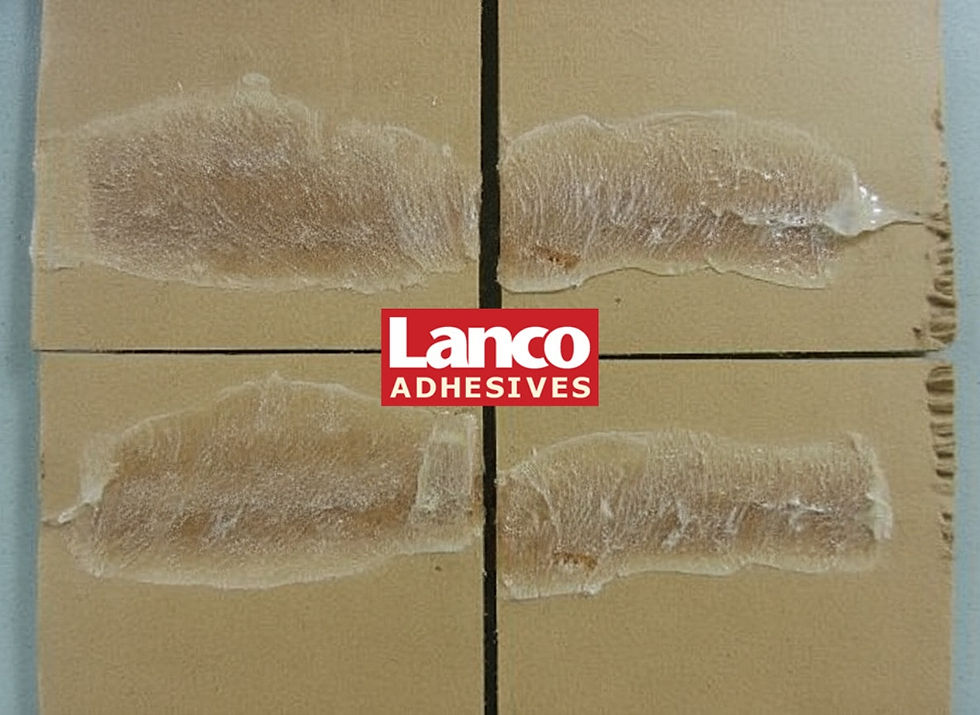
Hot melt adhesives are thermoplastic materials, meaning they soften when heated and solidify as they cool. While this property makes them ideal for packaging operations, it also means their performance can change significantly at low temperatures.
In cold storage environments such as refrigerators or freezers adhesives may:
Become brittle and lose flexibility
Experience reduced bond strength
Fail due to substrate contraction
Crack under stress during handling or transportation
When adhesive failure occurs, it can result in popped cartons, loose labels, compromised seals, and ultimately product waste or customer dissatisfaction.
Understanding the root causes of failure is the first step in preventing it.

Select the Right Cold-Resistant Hot Melt Adhesive
Not all hot melt adhesives are formulated for low-temperature performance. Standard formulations may perform well at room temperature but lose flexibility and adhesion when exposed to cold storage. LA 4000 is our top choice, offering a good balance of open time and set speed, making it optimal for freezer applications.
When selecting a hot melt adhesive for refrigerated or frozen applications, consider:
Low-temperature flexibility: The adhesive should maintain elasticity and resist brittleness at the lowest expected storage temperature.
Appropriate glass transition temperature (Tg): A lower Tg ensures the adhesive remains flexible rather than rigid in cold conditions.
Strong adhesion to intended substrates: Corrugated board, coated cartons, film, or foil each require tailored formulations.
Working with a specialized adhesive manufacturer can help ensure the product is engineered specifically for cold-chain applications rather than relying on a general-purpose solution.
Account for Substrate Behavior in Cold Environments
Adhesive performance is closely linked to the behavior of the substrates being bonded. In cold storage, materials like corrugated board and flexible films can contract, creating stress at the bond line.
If the adhesive lacks flexibility, this contraction can lead to bond failure.
Managing Substrate Contraction and Stress
To prevent issues:
Ensure substrates are clean and dry before application.
Use adhesives with strong fiber tear performance on corrugated materials.
Consider moisture-resistant formulations for environments with condensation risk.
Match adhesive flexibility to the expected expansion and contraction of the packaging materials.
Testing the complete packaging system, not just the adhesive alone, is critical to identifying potential failure points.
Optimize Application Temperature and Open Time
Improper application can undermine even the best adhesive formulation. In hot melt systems, temperature control and timing are crucial.
Key Application Factors to Monitor
Correct application temperature: Applying adhesive too cool can result in poor wetting and weak bonds. Too hot can degrade the adhesive and reduce performance.
Adequate open time: In cold storage applications, adhesives may set more quickly due to cooler ambient conditions. Ensuring proper compression before set is essential.
Consistent bead pattern and coverage: Gaps or insufficient adhesive can become weak points when exposed to cold stress.
Regular equipment calibration and monitoring help maintain consistency and prevent temperature-related performance issues.
Control Environmental Conditions During Packaging
Cold storage performance begins on the packaging line. If substrates are too cold at the time of bonding, the adhesive may not properly wet the surface, leading to poor adhesion.
Best Practices for Temperature Management
Store cartons and packaging materials in a temperature-controlled environment before use.
Maintain recommended plant temperatures during application.
Avoid bonding directly on materials that have been exposed to freezing temperatures without acclimation.
Even minor variations in substrate temperature can significantly impact bond formation and long-term durability.
Perform Real-World Cold Chain Testing
Laboratory bond strength tests provide valuable data, but real-world simulation is essential for cold storage applications.
Critical Testing Scenarios
Manufacturers should test:
Refrigerated and frozen storage cycles
Freeze-thaw cycles
Transportation vibration under cold conditions
Stacking and compression loads in cold environments
These tests help confirm that the adhesive maintains bond integrity throughout the entire supply chain, from packaging to end use.
Early testing prevents costly recalls, damaged goods, and production downtime.
Monitor for Condensation and Moisture Exposure
Cold storage environments often involve moisture from condensation, especially when products transition between temperature zones. Moisture can weaken certain adhesive bonds, particularly with porous substrates.
Preventing Moisture-Related Bond Failure
Preventive steps include:
Selecting moisture-resistant hot melt formulations.
Designing packaging that minimizes direct moisture exposure at bond lines.
Controlling humidity where possible in production and staging areas.
Adhesive systems designed for cold-chain packaging should be evaluated not just for temperature resistance but also for performance in high-humidity conditions.
Partner with an Experienced Adhesive Manufacturer
Preventing adhesive failure in cold storage isn’t just about choosing a product off the shelf, it’s about engineering a solution that aligns with your materials, equipment, and distribution environment.
An experienced adhesive manufacturer can:
Recommend the appropriate hot melt formulation
Assist with line optimization
Conduct performance testing
Troubleshoot bond failures
Develop custom solutions for unique applications
This collaborative approach reduces risk and improves long-term performance.
Keep Your Packaging Secure, Even in Freezing Conditions
Cold storage environments present unique challenges for hot melt applications, but adhesive failure is preventable with the right strategy. From selecting low-temperature-resistant formulations to optimizing application processes and conducting real-world testing, every step plays a role in maintaining bond integrity.
If your packaging must perform reliably in refrigerated or frozen conditions, partner with experts who understand the science behind high-performance bonding.
Contact the team at Lanco Adhesives today to learn more about our advanced hot melt solutions engineered for cold-chain and temperature-sensitive applications. Let us help you prevent adhesive failure and keep your packaging secure, no matter how low the temperature drops.
Related Reading


